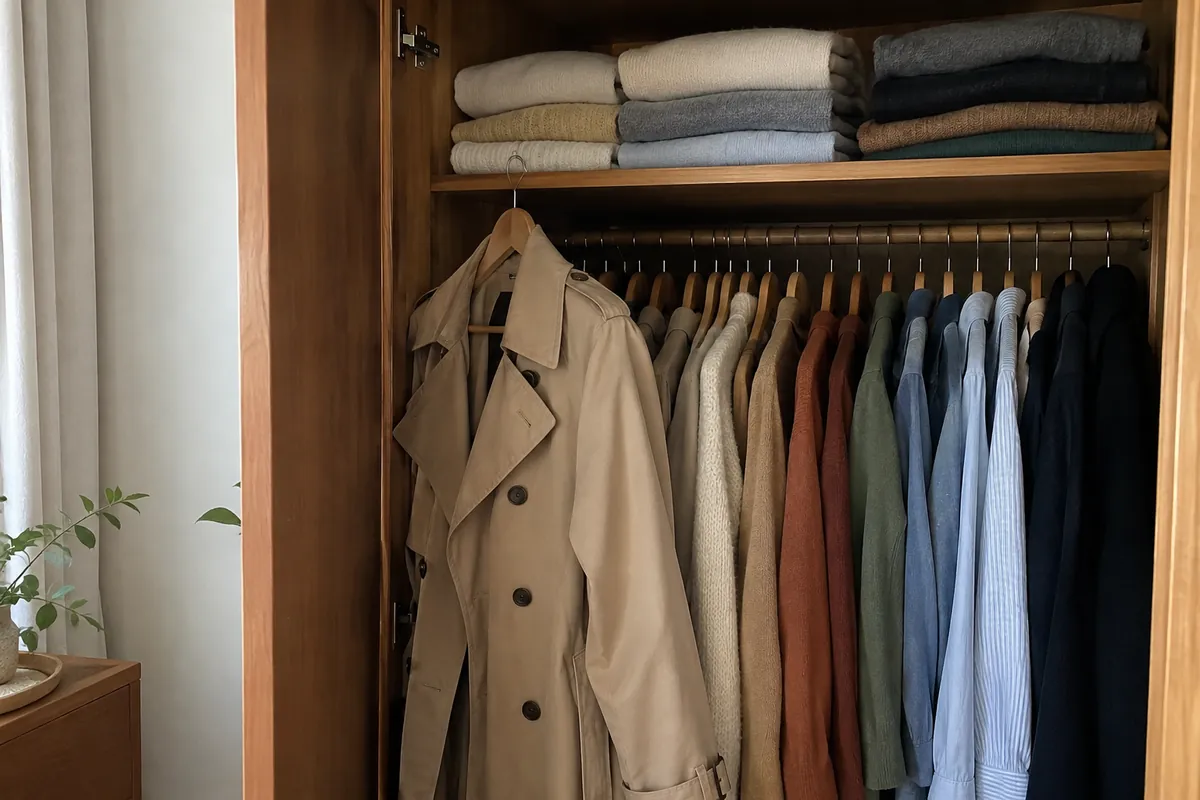

5 Reasons to Invest in Good Outerwear
Five reasons good outerwear is worth paying for, from daily wear and warmth to how a coat changes every outfit under it.

5 Reasons the Fit-and-Flare Dress Keeps Coming Back
Five reasons the fit-and-flare dress stays in style, from its flattering waist to its easy dressing for work, weddings and weekends.

5 Ways to Refresh Your Winter Wardrobe in January
Five January outfit ideas that make a winter wardrobe feel new, using knitwear, layering, colour and the pieces you already own.

5 Things to Know About Size Inclusion in Fashion
Five practical points on size inclusion in fashion, including how sizing varies between brands, why fit matters more than the number and how to shop with confidence.
5 Tips for Shopping the Sales Without Regret
Five rules for shopping sales well, from a list written before you go to a cost-per-wear check, so discounts add to your wardrobe instead of crowding it.

How to Measure an Armhole: Depth or Curved Seam?
Learn how to measure an armhole on clothing by identifying depth, straight span or curved seam first, then recording endpoints and garment state.

How to Build a Capsule Wardrobe in Five Steps
A practical capsule wardrobe plan: audit what you own, define your week, fill the core categories and test every outfit before you buy.

How to Compare Flat Clothing Measurements Before You Buy
Compare a secondhand listing with clothing you already own using matching flat measurements, clear units and a practical seller question.

Cost Per Wear: How to Decide If a Purchase Is Worth It
Learn how cost per wear works, how to estimate wears honestly, and how to use a simple calculator before you buy clothes or shoes.

How to measure cuff width flat: five useful checks
Measure a flat sleeve opening with clear endpoints. Separate cuff width, open-band length and cuff height before comparing a secondhand listing.

How to Measure an Elastic Waistband Without Mixing States
Measure an elastic waistband flat and label its relaxed state. Keep garment width, stretched measurements and body waist size separate when comparing pants.

Wearing Ease vs Design Ease: Five Questions Before You Choose
Understand wearing ease, design ease and negative ease. Use five questions and two practical chart checks before interpreting a garment's size or shape.

How to Choose Heels You Can Actually Walk In
Choose heels you can wear all day. Compare heel height, shape, base and fit, and use the comfort band tool to judge how a pair will handle a long event.

How to Measure Jacket Shoulder Width: Five Clear Checks
Measure jacket shoulder width across the back, label the seam points and compare the same route. Five checks for set-in sleeves, dropped shoulders and unclear listings.

How to Measure Sleeve Length on a Garment Laid Flat
Measure a sleeve on a garment laid flat, compare the same endpoints and understand why a raglan or dropped shoulder needs a different note.

How to Measure Pants Hip Width on a Flat Garment
Measure pants hip width flat with a named measurement line. Compare seat widths without confusing waistband size, body circumference or pleated construction.

How to Measure Pants Inseam Flat: Keep the Hem State Clear
Measure a pants inseam along the inside leg, record the hem or cuff state and compare a reference pair without confusing garment length with body size.

How to Measure Pants Knee Width Flat Without Mixing Methods
Measure pants knee width at the maker's stated point, keep flat width separate from body circumference and compare a reference pair using the same method.

Pants Leg Opening Measurement: Record the Flat Hem Width
Measure a pants leg opening across the flat hem, record cuffs or elastic clearly and compare a reference pair without confusing width with circumference.

Pants Outseam Measurement: Label the Outside Length
Record pants outseam from the named waistband edge to the hem. Keep the tape route, cuff state and units clear before comparing another pair.

How to Measure Pants Rise: Front, Back and Waistband
Measure front and back pants rise, check whether the waistband is included, and compare the same tape route before buying a secondhand pair.

How to Measure Pants Thigh Width Flat Without Mixing Methods
Measure pants thigh width with named endpoints, a clear tape direction and a reference pair. Keep flat width separate from body size and fit promises.

Shirt length: high point shoulder vs center back
Compare HPS and center back shirt length with clear starting points, collar checks and two practical aids for an unclear resale listing.

How to Measure Shirt Chest Width on a Flat Garment
Measure shirt chest width flat with a repeatable armpit-to-armpit route. Keep garment width, doubled width and body chest circumference clearly separated.

How to measure shirt hem width: five clear checks
Measure shirt hem width with named endpoints and a flat, relaxed garment. Separate a straight width from a curved edge before comparing a resale listing.

How to Measure a Shirt Neck on an Existing Garment
Measure a shirt neck with named collar-band endpoints. Compare a finished garment with another shirt without confusing body size, labels or shrinkage.

T-shirt side seam twisting after washing: what to record
Record a twisting T-shirt side seam without confusing it with shrinkage. Compare photographs, care history and matching measurements before buying again.

How to Stop Impulse Buying Clothes You Will Not Wear
A practical pause before buying clothes: check the outfit, the real price, the return policy and the wardrobe you already own, with a five-line purchase note.
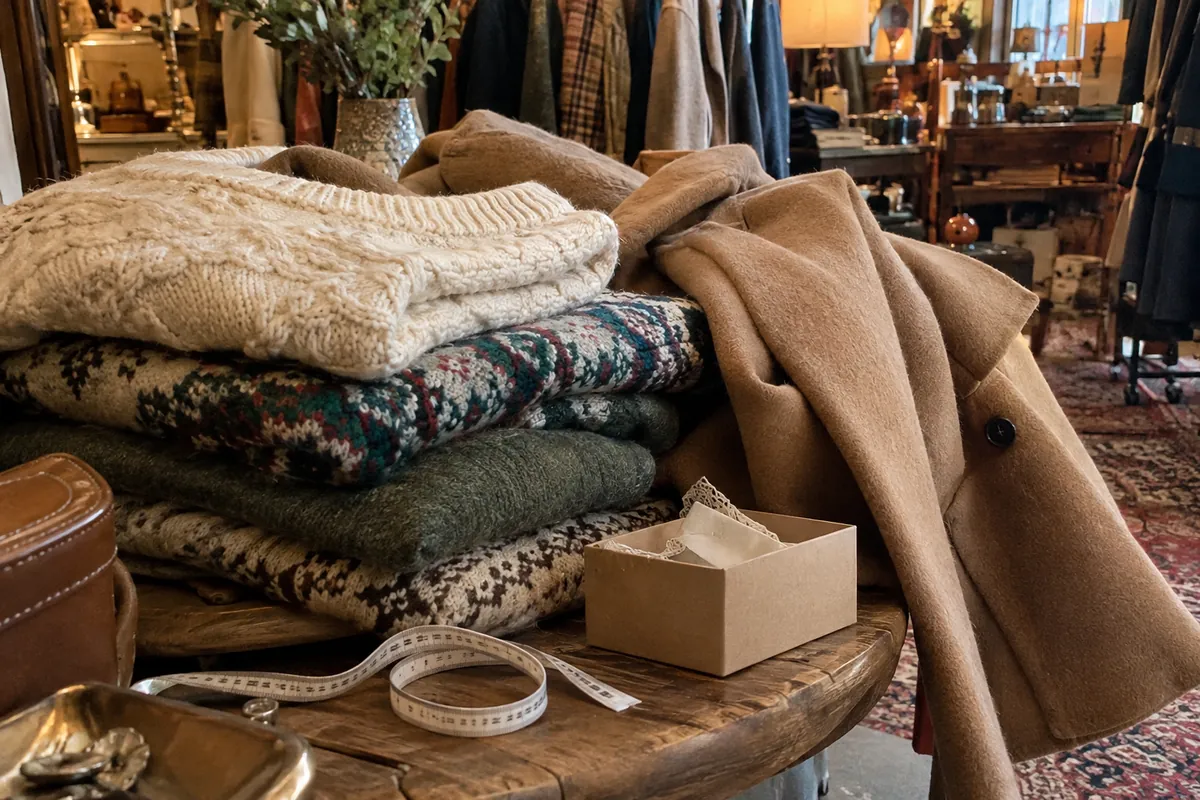
How to Thrift Clothes Well: An Inspection Checklist
Buy secondhand with confidence using a ten-point inspection checklist for seams, fabric, fit, shoes and price, plus a tool to track your checks.